


About Italy
Italy is the country that makes the rest of Europe look underdressed. In one trip you can stand under the Pantheon's nearly two-thousand-year-old dome in the morning and eat pizza in Naples, the city that invented it, by dinner — the fast train takes a little over an hour.
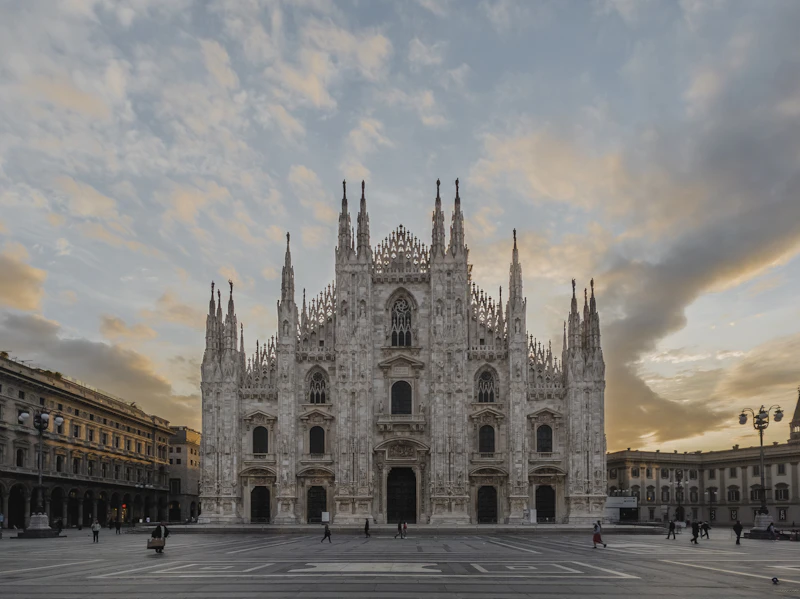
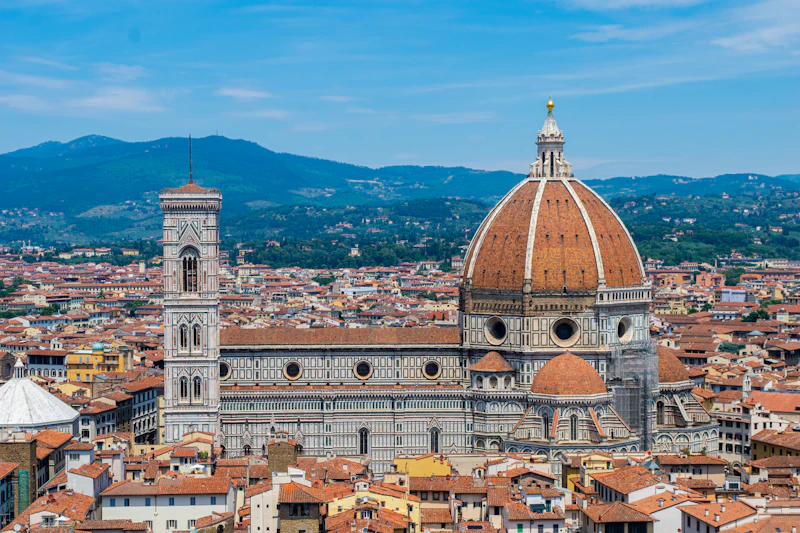
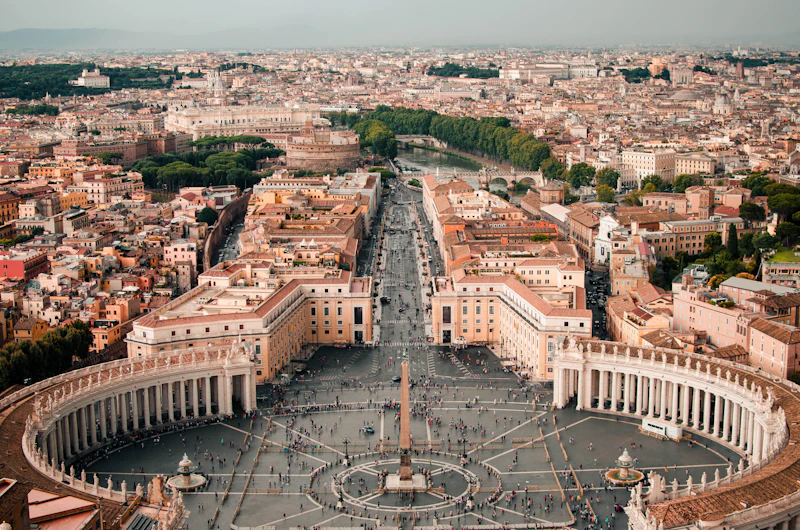
It is a long country, and it changes as you go down it. The north is Alpine and brisk: Milan's design studios, lakes under snowy peaks, Venice floating at the edge of its lagoon. The middle is the Italy of postcards — Renaissance Florence, Tuscan hill towns and Rome. The south and Sicily are louder, hotter and cheaper, with volcanoes, Greek temples and the bluest water of the trip.
Don't try to see it all at once. Pick one region, travel by train and leave an afternoon unplanned: the best of Italy is usually a side street, a small bar and a long lunch nobody hurries you through.
Italy in four trips
The country is too long to take in one go. Each of these makes a good week on its own.
How Italy eats
A few unwritten rules that make every meal go smoother.
Coffee at the bar
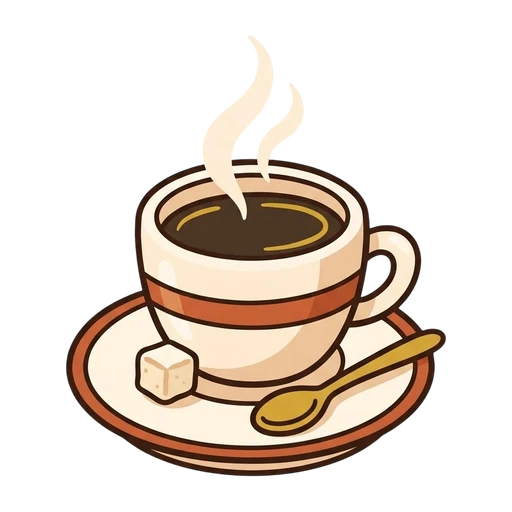
An espresso drunk standing at the counter costs a euro or so. Sit down at a table on a famous square and the same cup can cost several times more.
Cappuccino is for mornings
Milky coffee is a breakfast thing, rarely ordered after about eleven. After lunch or dinner it's an espresso.
Aperitivo
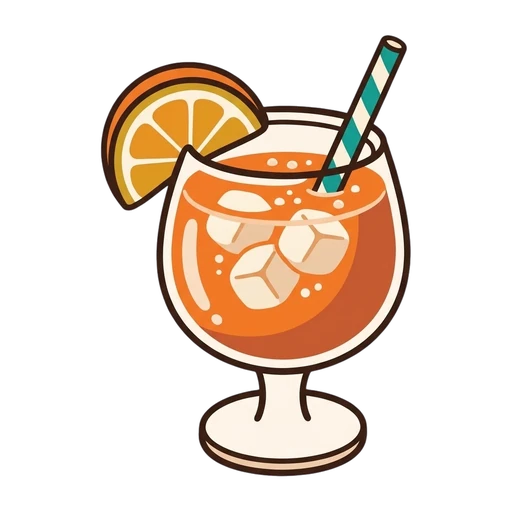
Early evening means a Spritz or a Negroni with something to nibble. In Milan and Turin the snacks often grow into a whole buffet.
Coperto on the bill
Many restaurants add a small cover charge per person — it's legal and listed on the menu. Tipping isn't expected; rounding up is plenty.
Lunch is the big meal
Kitchens often close by half past two, and dinner rarely starts before half past seven. Eat on Italian time and you'll eat better.
Worth seeing
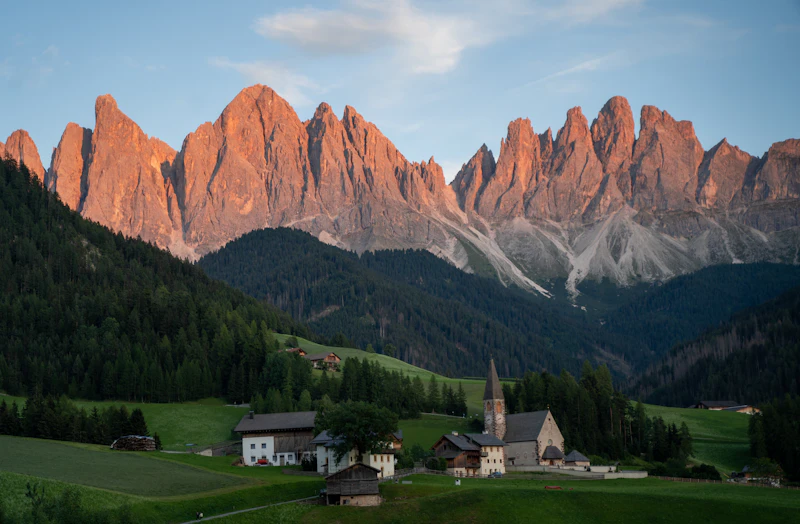
Dolomites
Pale limestone towers above green alpine meadows in the far north-east: hiking and via ferrata in summer, skiing in winter. Easiest by car from Venice.
From Venice →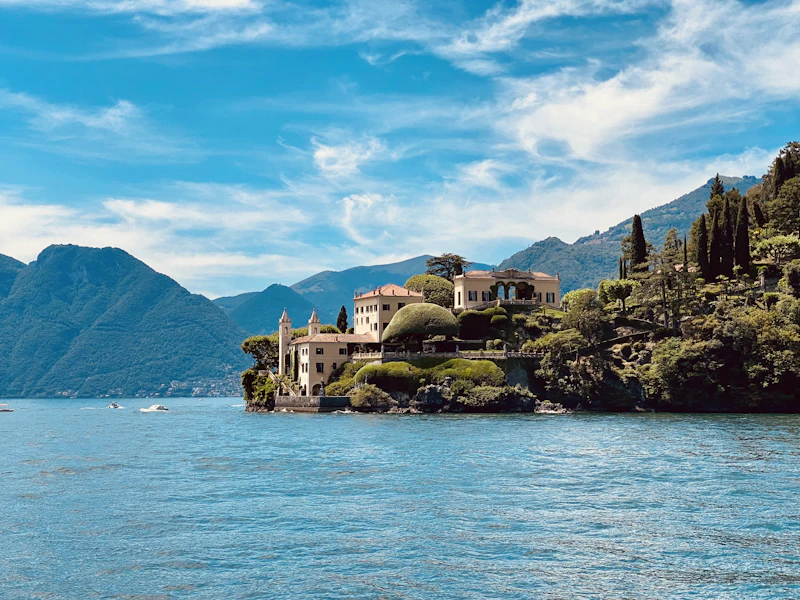
Lake Como
Steep green shores, villas with terraced gardens and ferries hopping between Bellagio, Varenna and Menaggio. About an hour by train from Milan.
From Milan →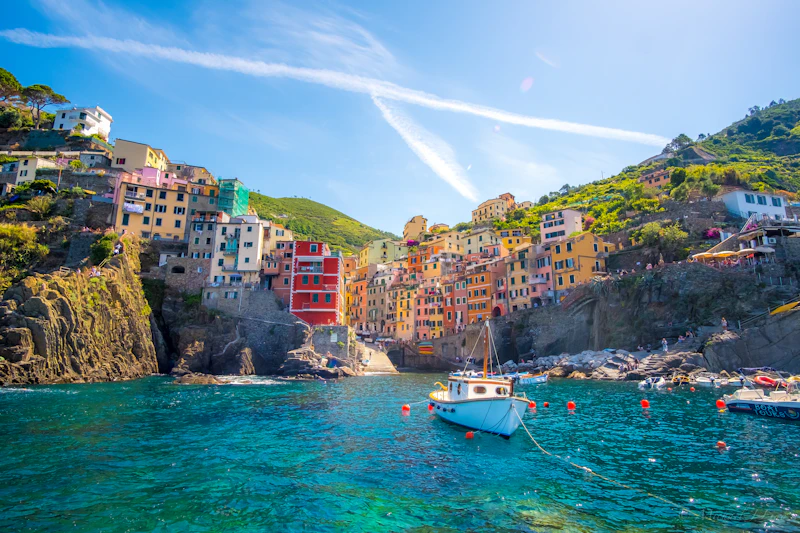
Cinque Terre
Five fishing villages stacked on cliffs above the Ligurian Sea, joined by a coastal train and footpaths. Around an hour and a half by train from Pisa.
From Pisa →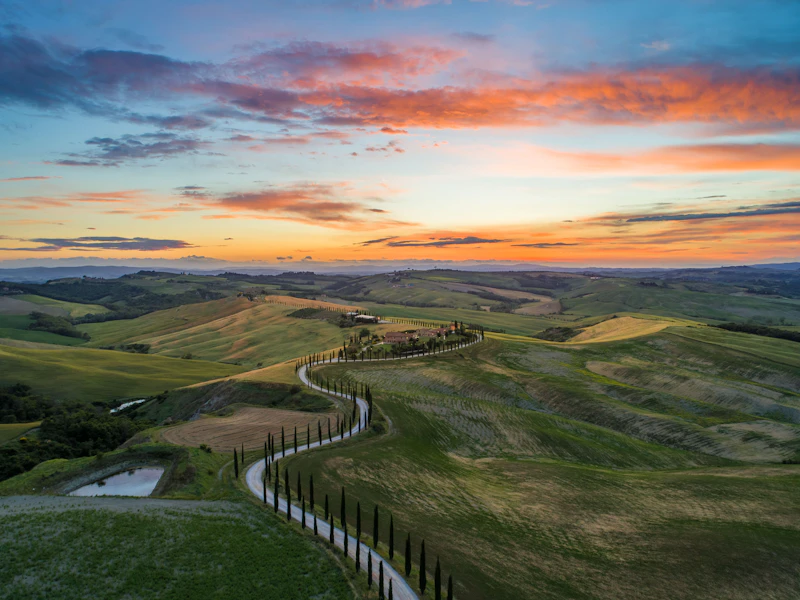
Val d'Orcia
The Tuscany of postcards: cypress-lined roads, rolling wheat fields and hill towns like Pienza and Montalcino. Best by car, about two hours south of Florence.
From Florence →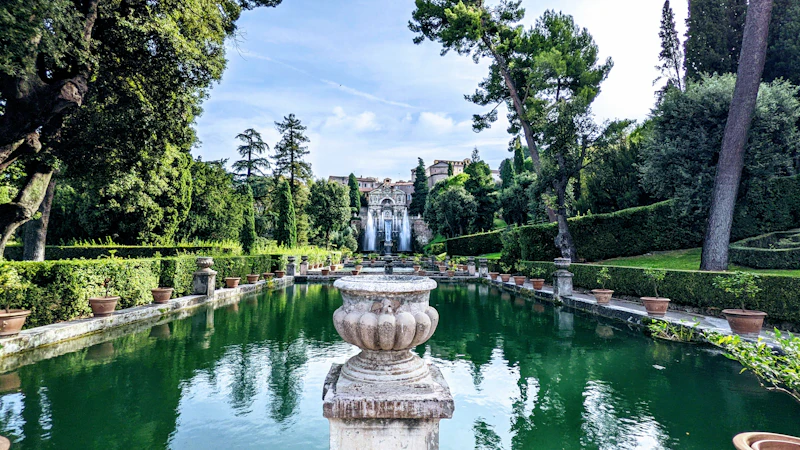
Tivoli
Two UNESCO villas in one hill town: Hadrian's sprawling imperial retreat and the Renaissance terraces and fountains of Villa d'Este. About an hour east of Rome by train or bus.
From Rome →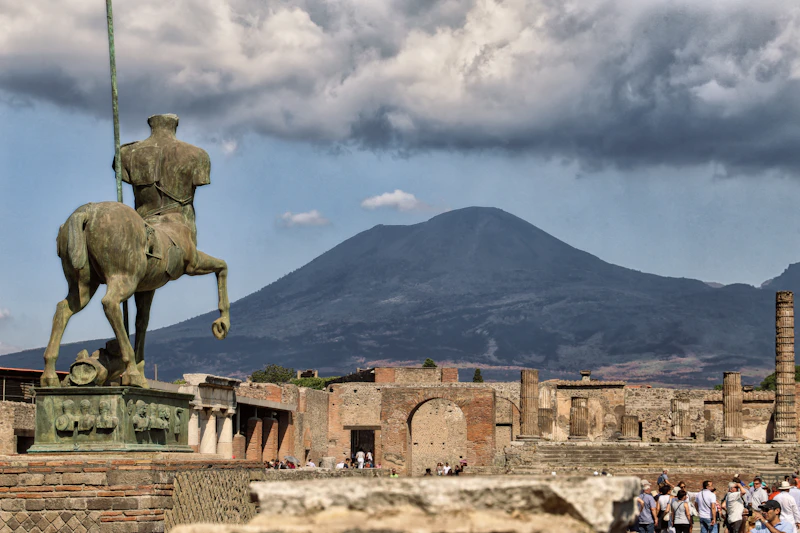
Pompeii
The Roman town buried by Vesuvius in 79 AD, its streets, houses, frescoes and bakeries still in place. About forty minutes from Naples on the local train.
From Naples →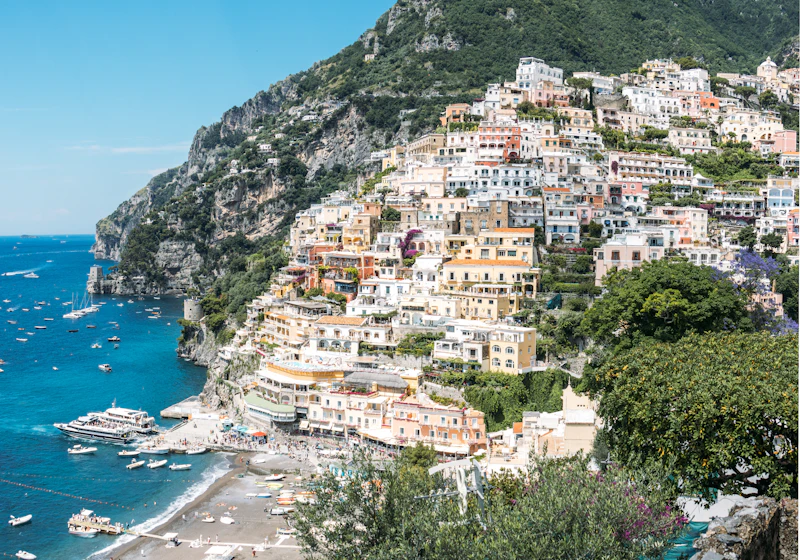
Amalfi Coast
A cliff road of lemon groves and pastel towns — Positano, Amalfi, Ravello — dropping into the sea south of Naples. In summer the ferry is the calm way to do it.
From Naples →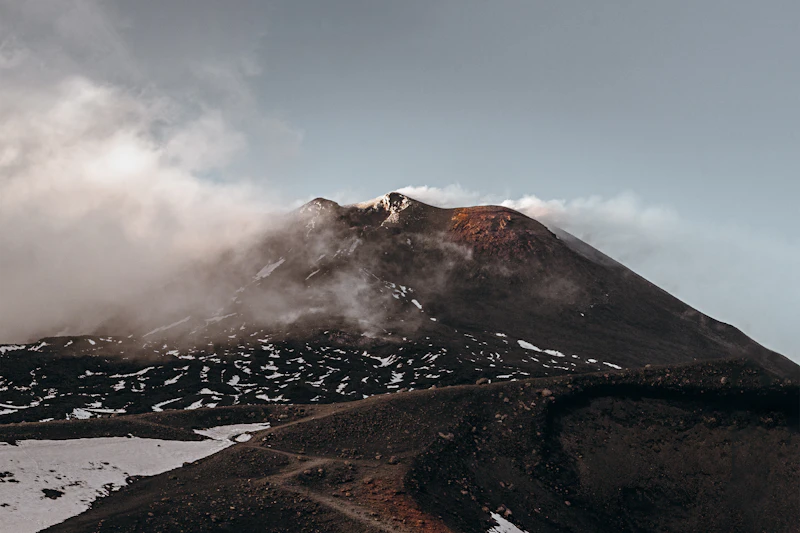
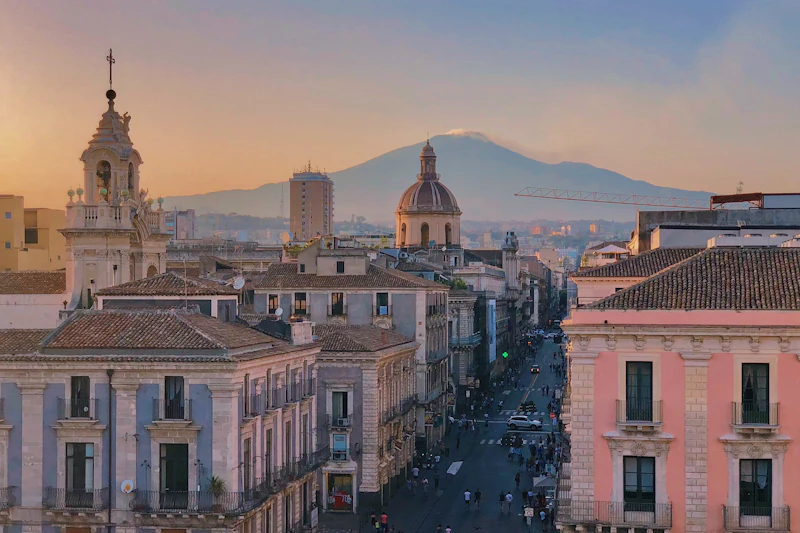
Mount Etna
Europe's tallest active volcano, smoking above Catania. A cable car and jeep tracks climb its south side towards the summit craters.
From Catania →
To have seen Italy without having seen Sicily is not to have seen Italy at all, for Sicily is the clue to everything.
Getting around
By train
Trains do most of the work. High-speed Frecciarossa and Italo trains link Milan, Venice, Florence, Rome and Naples: Milan to Rome takes about three hours, Rome to Naples a little over one. Book fast trains early; a paper ticket for a regional train has to be stamped on the platform before you board.
By car
For the Dolomites, the Tuscan countryside and much of Sicily a car is easier. Just don't drive into old town centres: the ZTL zones are camera-watched, and the fine comes by post.
By sea
Sicily is a short flight from the north — or a night ferry from Naples if you'd rather arrive slowly. On the lakes and along the Amalfi Coast, ferries are the easiest way between villages.
Buses between our places
Italy in pictures
Before you go
Is Italy expensive?
Mid-range for Western Europe. Milan, Venice and the big-name sights cost the most; the south and Sicily are noticeably cheaper. An espresso at the bar is still around a euro, and fast trains get much cheaper when booked early.
Do I need a visa for Italy?
Italy is in the Schengen area. EU citizens need only an ID card. Many others, including holders of US, UK, Canadian and Australian passports, can stay up to 90 days in any 180 without a visa — but the EU now registers them at the border and is bringing in an online travel authorisation (ETIAS), so check the current rules before you go.
How many days do I need in Italy?
A week covers one region well — Rome and Naples, or Florence and Tuscany. Ten days to two weeks let you join two of them by fast train. Venice, Florence, Rome and the Amalfi Coast in one week is possible, but you'll spend much of it on trains.
When is the best time to visit Italy?
April to June and September to October: mild to warm, with long days and fewer crowds. July and August are for the sea, the lakes and the mountains; cities are hot and busy, and around 15 August many local businesses close for the holiday.
Is Italy safe for travellers?
Generally, yes. The main risk is pickpockets on crowded buses and metros and around the big sights in Rome, Milan, Naples and Florence: keep your phone and wallet in front of you and an eye on your bag on trains.
Can I pay by card everywhere?
Almost: cards and contactless work in shops, restaurants and on public transport in the cities. Carry a little cash for small bars, markets and the countryside.